
Whitepapers and Briefing Notes
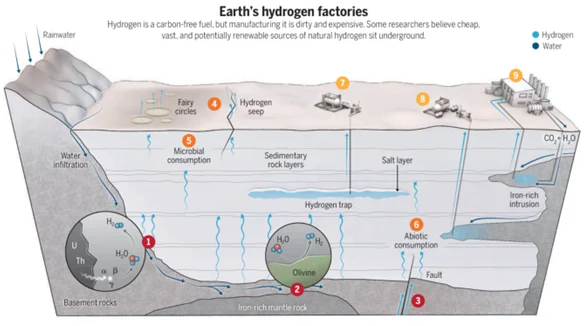
Geothermal Hydrogen Generation Technologies A Comparative Synopsis (May 2025)
Abstract: This briefing document provides a detailed synopsis of three emerging geothermal hydrogen generation technologies: (1) In Situ Geothermal Hydrogen Generation, (2) SOEC-Coupled Geothermal Hydrogen Generation, and (3) Natural (Geologic) Hydrogen. Each section outlines the technology’s principles, current activity, cost considerations, market readiness, and key initiatives needed to advance its development.

Data Center Power Options: Natural Gas – PEM Fuel Cell – Small Modular Reactors (May 2025)
Abstract: This briefing evaluates natural gas, PEM fuel cells, and small modular reactors (SMRs) for a 50 MW off-grid data center, concluding that PEM systems offer the best balance of reliability, integration, and long-term sustainability. A recommended path forward includes pilot deployments, cost reduction programs, and coordinated hydrogen infrastructure to validate and accelerate PEM fuel cell adoption in data center environments.
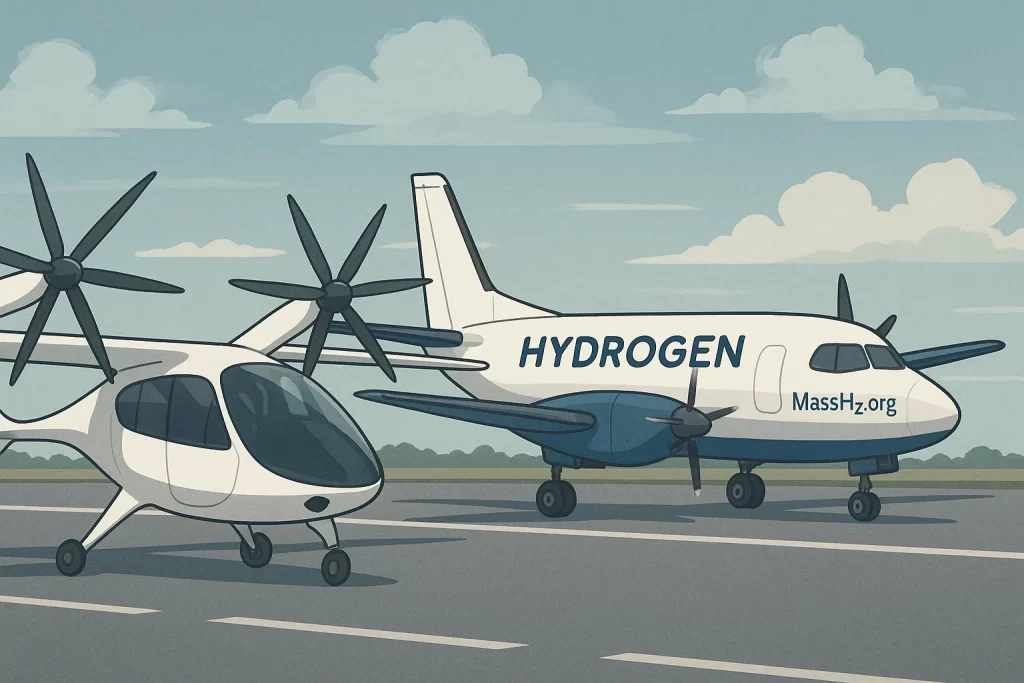
Hydrogen Aviation Briefing For FAA Working Group (April 2025)
Abstract: This briefing explores the future of hydrogen-powered aviation through five key recommendations developed for FAA’s Hydrogen Aviation Working Group. It provides a foundation for understanding certification challenges, operational differences, safety concerns, and research needs associated with hydrogen aircraft.
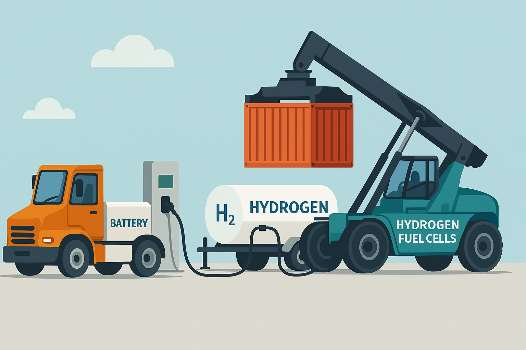
Port Equipment Hybrid Power Option Program (June 2025)
Abstract: This briefing presents a hybrid strategy for port equipment electrification, combining batteries and hydrogen fuel cells to align power systems with specific operational needs. By leveraging the strengths of both technologies, ports can enhance resilience, reduce downtime, and ensure cost-effective, uninterrupted cargo operations.
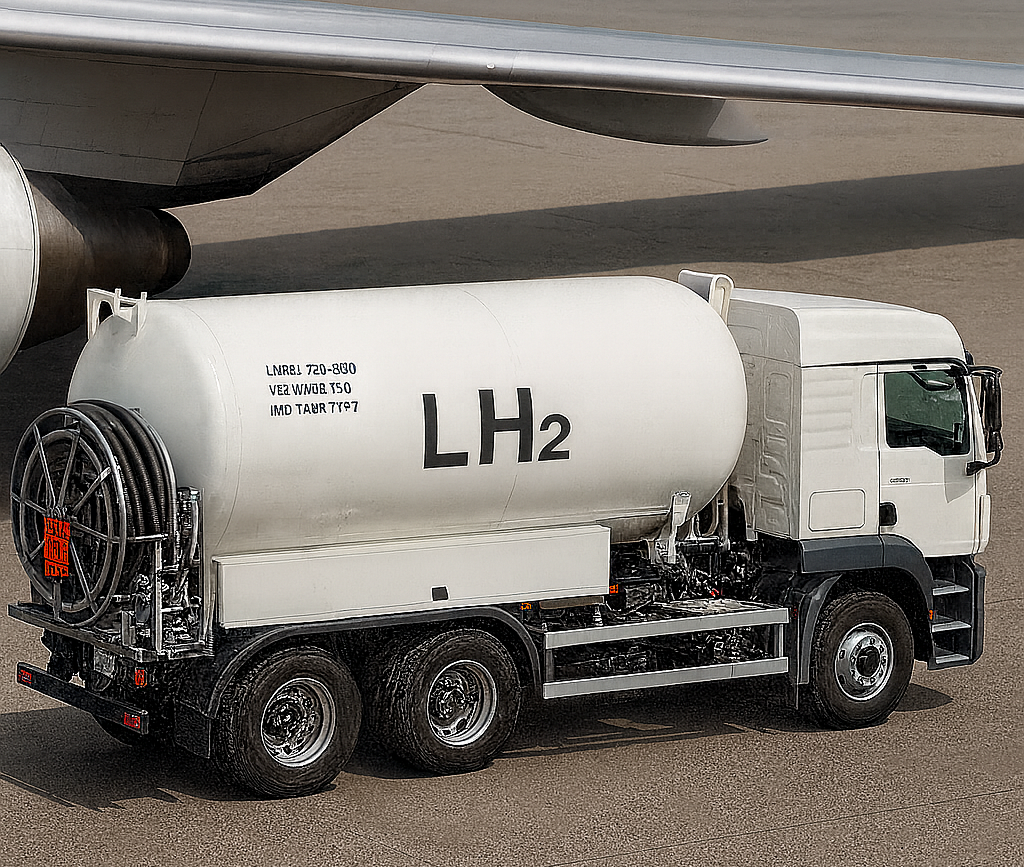
Advanced LH₂ Recirculation for Next-Generation Aircraft Fueling (July 2025)
Abstract: This briefing presents an integrated liquid hydrogen (LH₂) hose recirculation and cold-soak system to prevent hydrogen loss from repeated purging by keeping hoses cryogenically conditioned. Using vacuum-insulated reels, active recirculation, automated docking, and real-time monitoring, the approach improves fueling readiness, safety, and efficiency for next-generation aircraft.